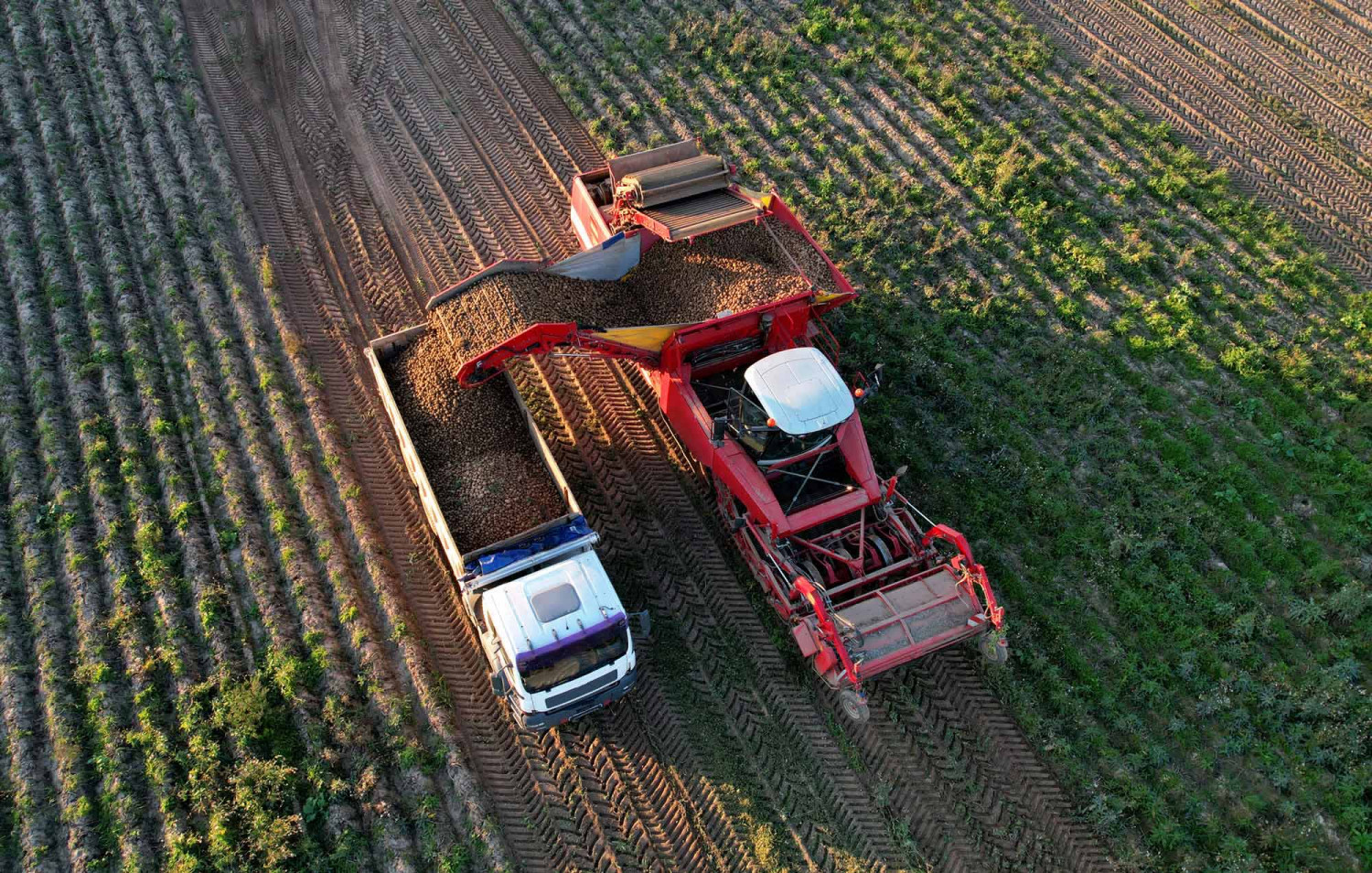
From Farm to Fork Since 1886
We guarantee your fries are in our hands from start to finish
Find out why everyone loves our local potato products in Washburn, ME
Contact Us

Find out why everyone loves our local potato products in Washburn, ME

At Penobscot McCrum, we're committed to providing only the highest-quality potatoe products. From planting on the farm to delivering the final product, we pay close attention to detail in every aspect of our potato production process. With McCrum, you can always count on exceptional quality and incredible flavor in every bite.
Call our potato production facility today at 207-762-7020.
Reach out to us today to learn more about our local potato products and potato production facility. We'll be happy to answer your questions.
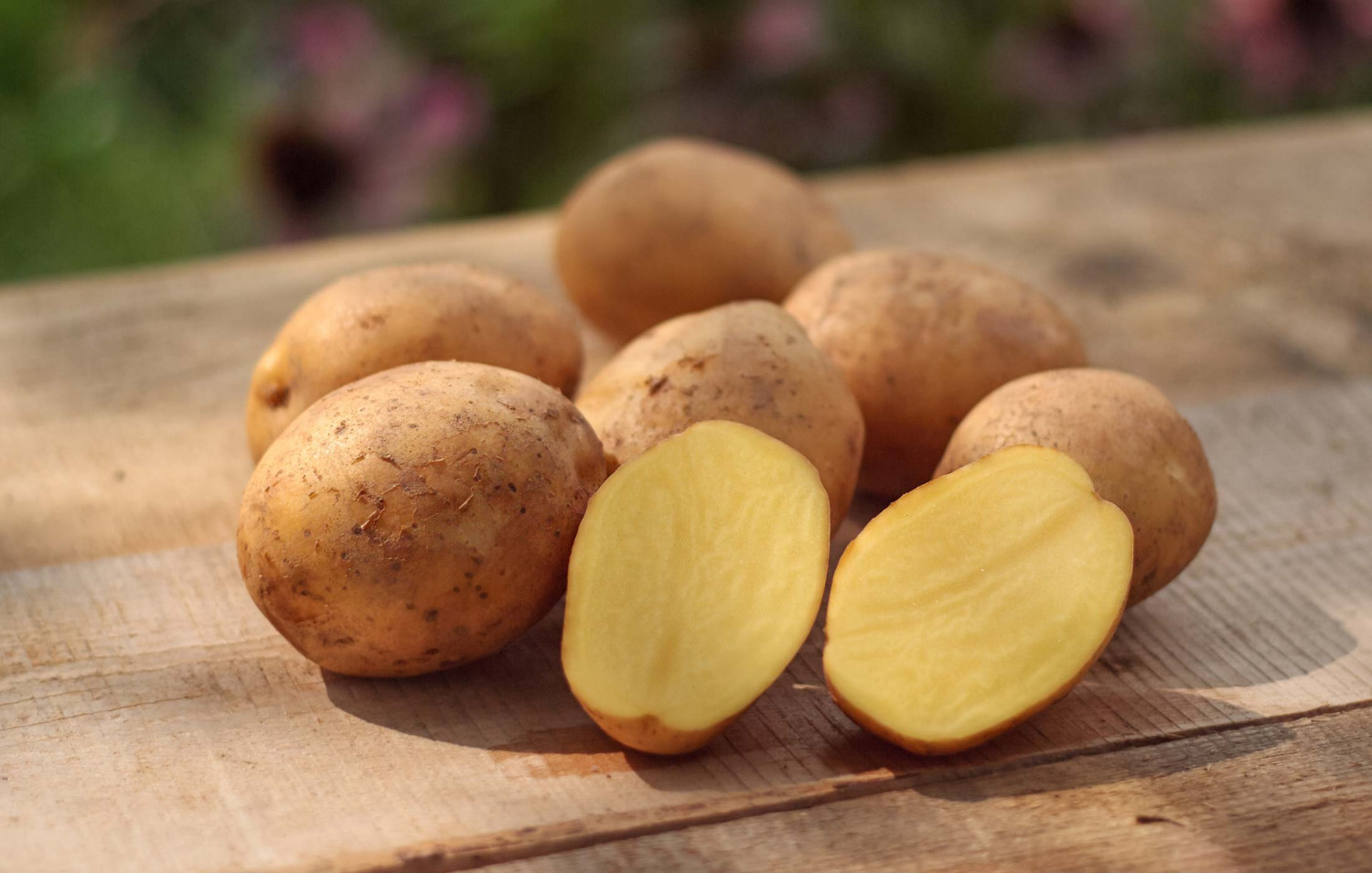
For over five generations, Penobscot McCrum has been harvesting the most delicious potatoes from our potato farm. We then make them into frozen potato products that your family will love. Try our:
We can't wait for you to bite into one of our potato wedges or farm fries. Ask for McCrum products at a retail grocer near you!
The McCrum family plants, grows, cares for, harvests, stores, ships, and processes potatoes. With McCrum, you can count on quality and pride as well as incredible flavors and consistency. This family enterprise is five generations strong with a singular focus of providing the finest frozen potato specialty products on the market today. We take great pride in the fact that our products really do come from our family to yours.
Simply put, we live potatoes.
The McCrum Gold Standard Promise is our commitment to a steadfast work ethic that guarantees our potatoes are the highest quality possible. We pay meticulous attention to detail from seed to final product. Our Gold Standard Promise is our mission for perfection and it is what makes us the most reliable partner for potatoes. With McCrum potatoes, you can count on quality and pride as well as incredible flavors and consistency.
Thank you for all your hard work and dedication!